
Spin Chucks for Square Substrates
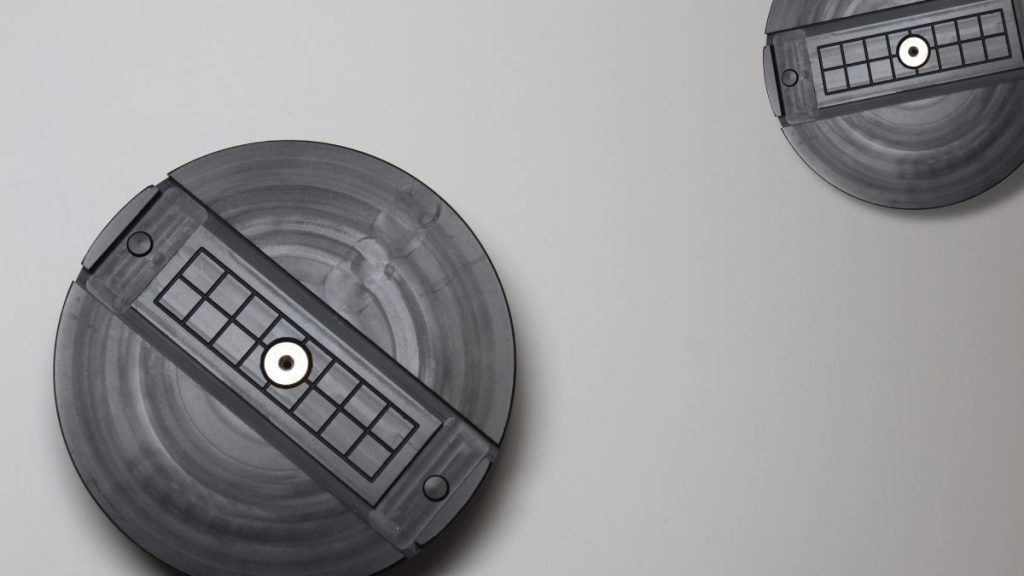
Spin-coating is a process used to evenly distribute material on a substrate by spinning it at a high speed. Round substrates are commonly used because their smooth edges create minimal turbulence, resulting in uniform evaporation rates. However, square and rectangular substrates create unique challenges due to increased air turbulence and can result in uneven coating […]
Spin Chucks for Thinned Substrates
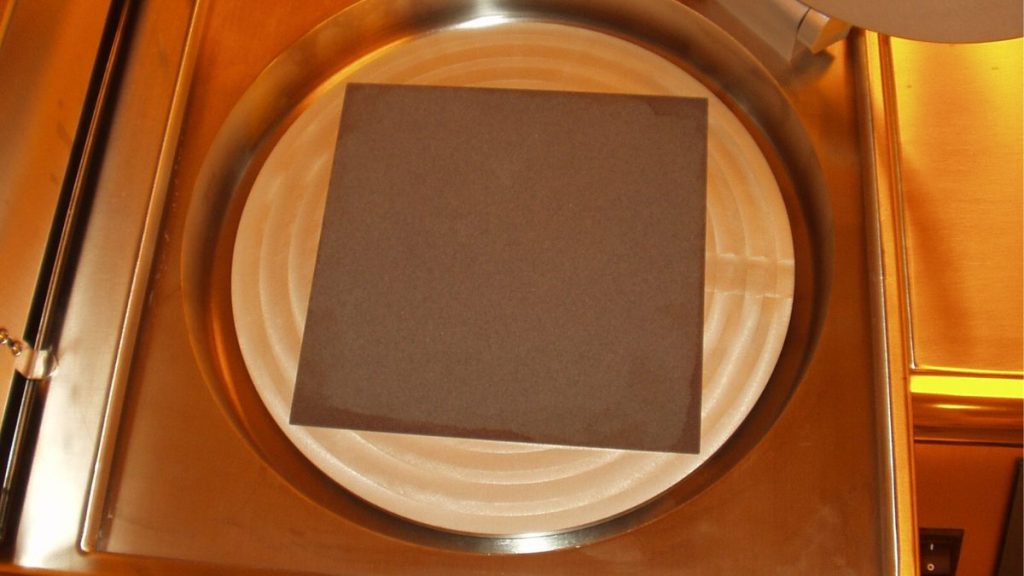
Thinner and delicate substrates are commonly used in the semiconductor industry, and their safe handling requires special techniques and spin chucks. These substrates can be made of various materials, including silicon, metal foils, and flexible polymer films, and are highly sensitive to mechanical and thermal shock. Thin Wafer Processing Trends Thin and fragile substrates are […]
Selecting Maximum Spin Speed and Acceleration

In spin coating, the speed and acceleration of a spinning substrate affect the thickness and quality of a film. The substrate’s rotational speed affects the centrifugal force and air turbulence, while its acceleration affects the film’s properties. The initial spin cycle is critical because the resin dries quickly, and up to 50% of base solvents […]
Programmable Exhaust for Optimal Thick-Film Spin Coating
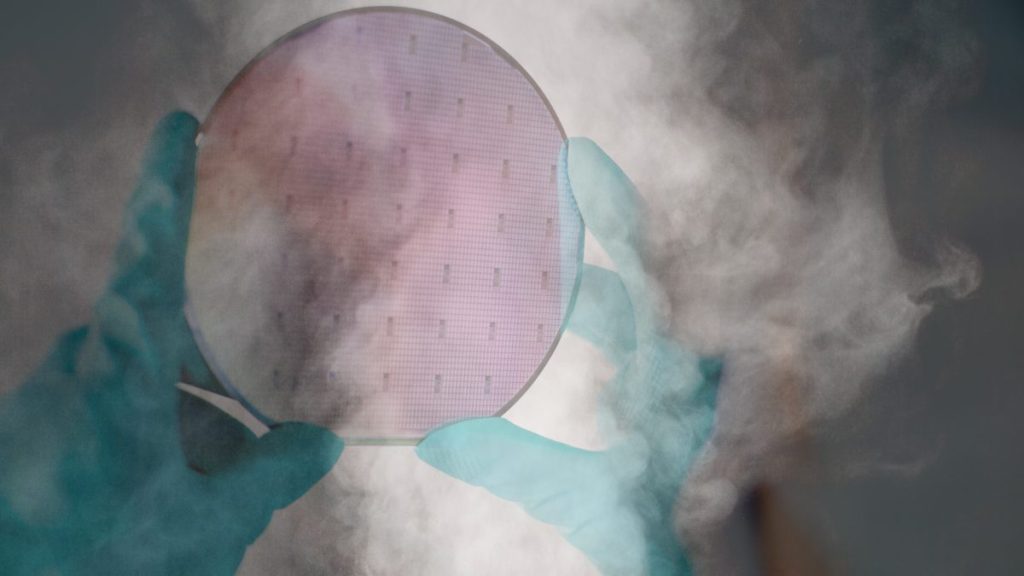
For ultra-high uniformity on thick films in spin-coating processes, precise control of solvent vapors is crucial. This is achieved through a closed bowl environment and a programmable exhaust module. The process involves a prewet dispense step, dynamic dispense step, and drying step to create a highly uniform coating. Spin speed, acceleration, and drying rate are […]
Spin Coat Theory
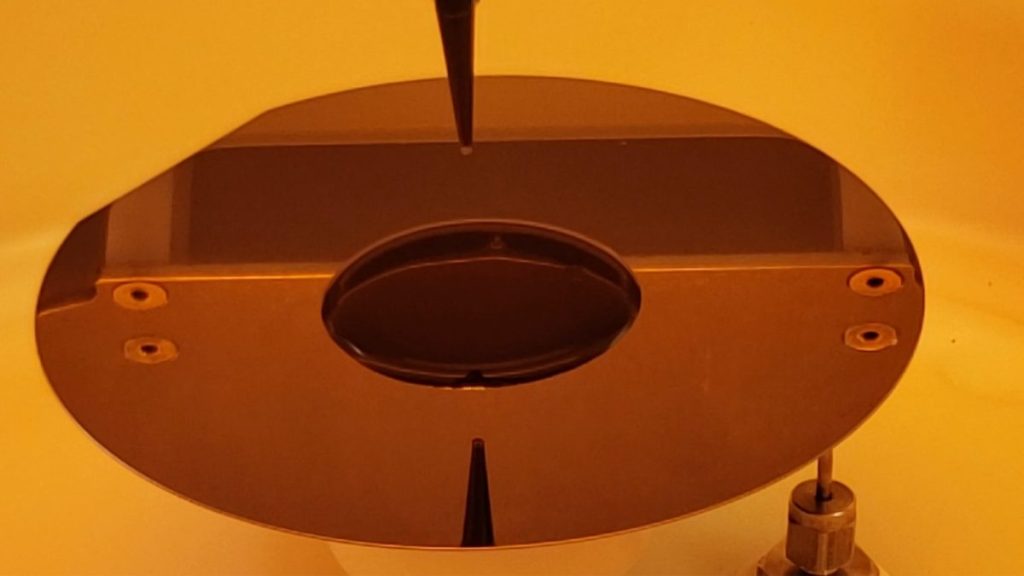
Spin coating is a process used to apply thin films onto a substrate, typically involving depositing a small puddle of a fluid material on the center of the substrate and spinning it at high speed. The final thickness of the film depends on the properties of the fluid and the spin process parameters. The speed […]