
Nitrogen Purge
Nitrogen purge is widely employed in the manufacturing of semiconductors. It is utilized to establish a low-oxygen setting for processing substrates. This method helps remove impurities, minimize oxidation, maintain uniform film deposition, and can be beneficial for meeting safety standards. Nitrogen Purge Nitrogen purge is a common technique used in various industries, including semiconductor manufacturing, […]
Bake Plate Process Theory
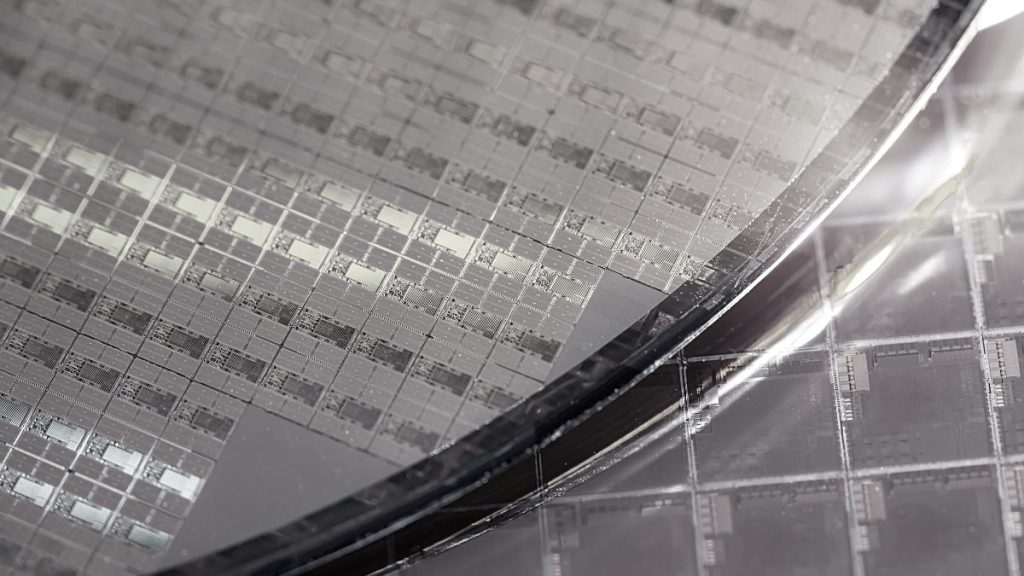
Hotplate baking is a popular technique for film drying and curing, offering advantages over traditional convection ovens such as decreased bake time, increased uniformity, reproducibility, and decreased particle contamination. Hotplate baking heats the substrate from the bottom up, preventing the formation of a skin on the film surface and offering advantages for thick films. Bake […]
Developer Configurations
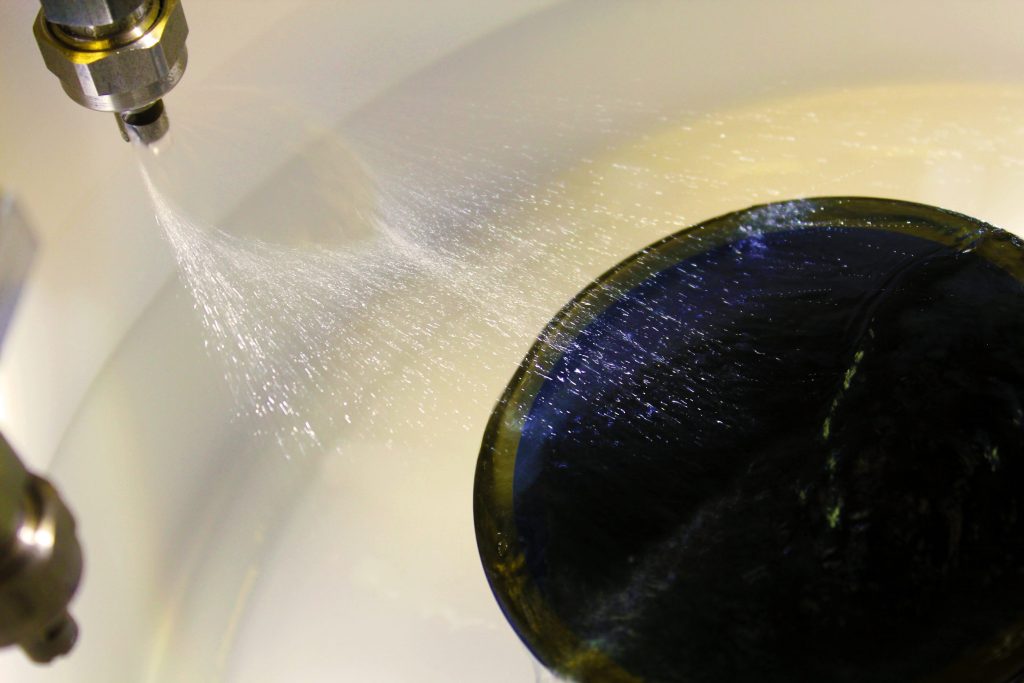
The use of immersion tank processes in photolithography has decreased due to excessive material consumption, non-uniform resolution, and poor clearing from high-aspect-ratio features. Spin developing has become the more popular method for development of features in photolithography, with three main methods emerging: puddle/stream dispense, side spray dispense, and direct spray dispense. The side spray dispense […]
Multi-Stage Baking with Programmable Lift Pins
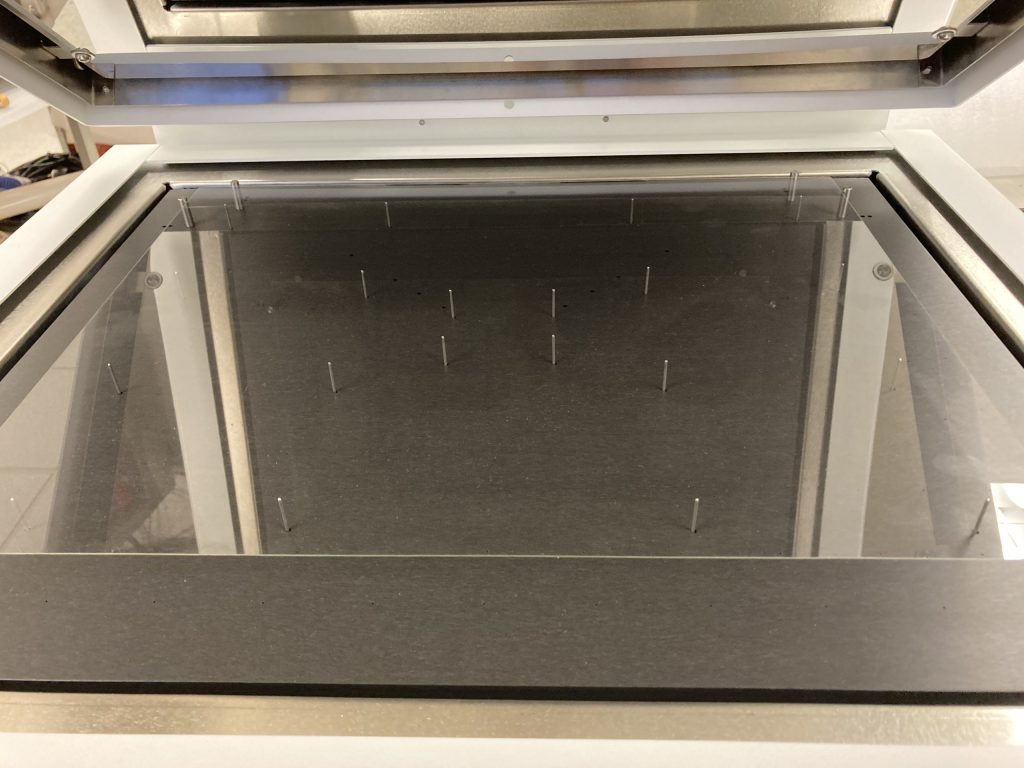
Smart-Pin technology enables flexible temperature ramping and uniform baking for thermal shock sensitive materials. The lift pin height recipe utilizes a temperature matrix for soft bake, PEB, and post-develop hard bake. The programmable system eliminates the need for multiple bake plates and is suitable for thick-film materials and mitigating the “skin” effect. Multi-Stage Baking with […]
Spin Chucks for Square Substrates
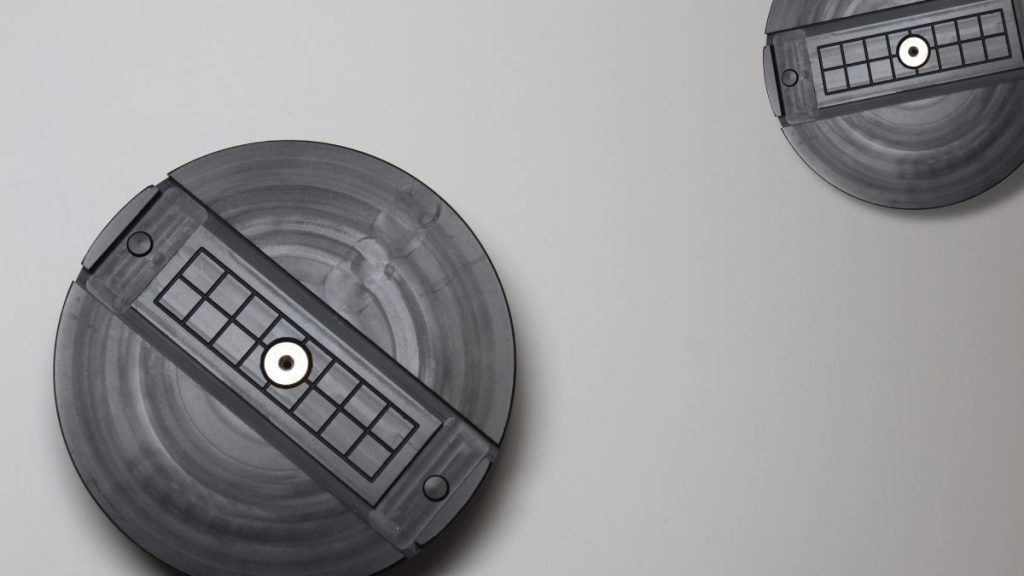
Spin-coating is a process used to evenly distribute material on a substrate by spinning it at a high speed. Round substrates are commonly used because their smooth edges create minimal turbulence, resulting in uniform evaporation rates. However, square and rectangular substrates create unique challenges due to increased air turbulence and can result in uneven coating […]
Spin Chucks for Thinned Substrates
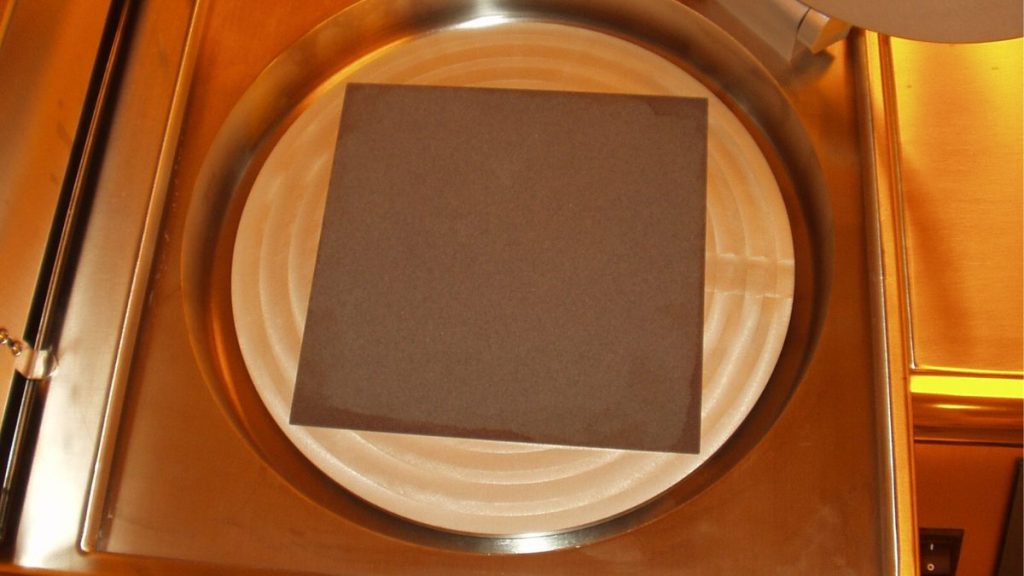
Thinner and delicate substrates are commonly used in the semiconductor industry, and their safe handling requires special techniques and spin chucks. These substrates can be made of various materials, including silicon, metal foils, and flexible polymer films, and are highly sensitive to mechanical and thermal shock. Thin Wafer Processing Trends Thin and fragile substrates are […]
Spin Coat Theory
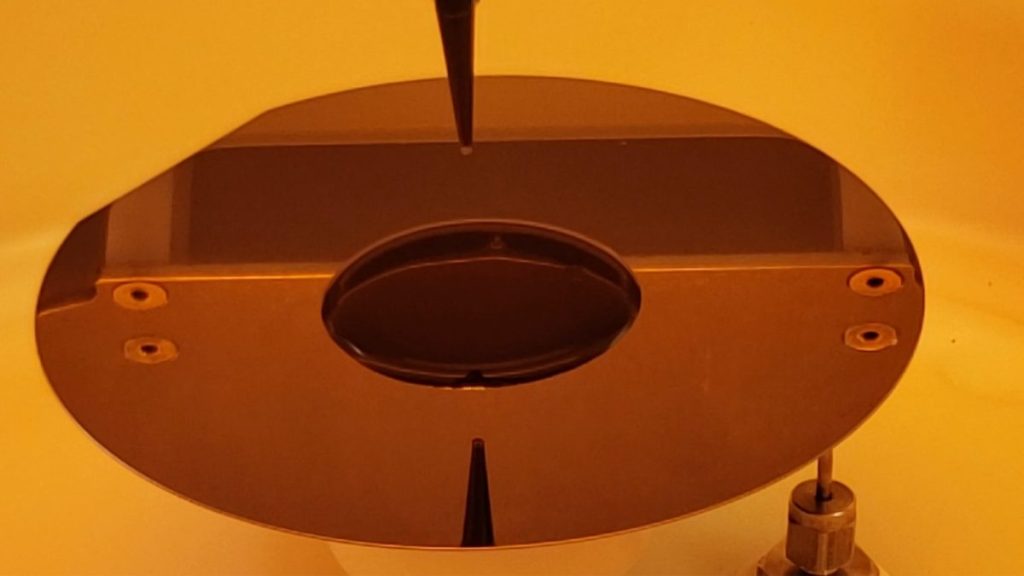
Spin coating is a process used to apply thin films onto a substrate, typically involving depositing a small puddle of a fluid material on the center of the substrate and spinning it at high speed. The final thickness of the film depends on the properties of the fluid and the spin process parameters. The speed […]